Land, Lineage and Capital: Why Property Ownership Shapes Economic Power

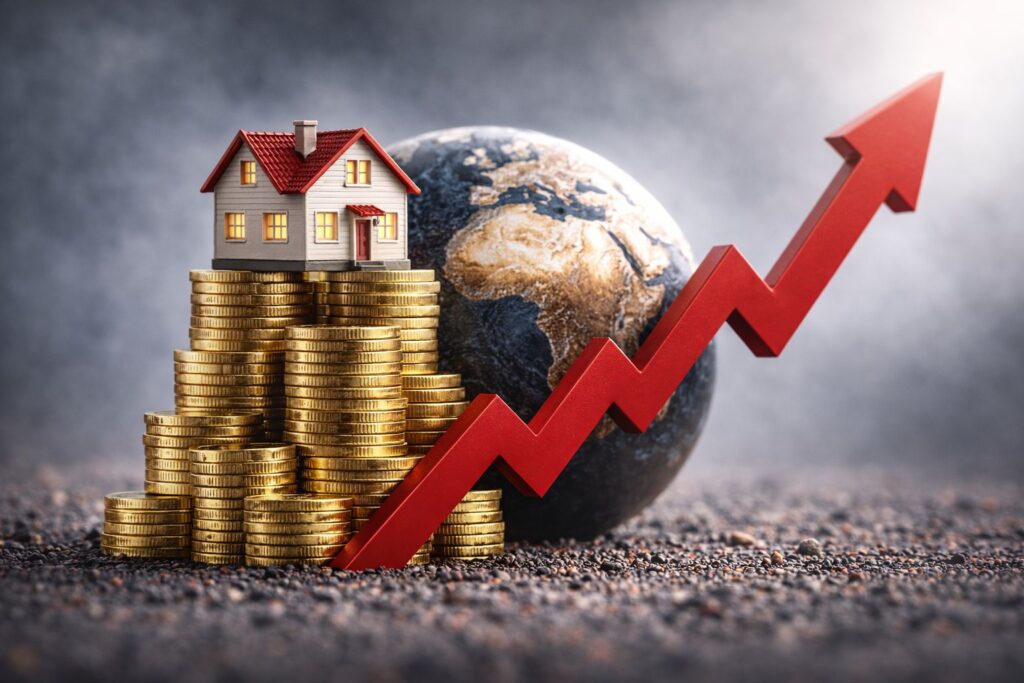
South Africa’s transformation debate often begins with a familiar question: why do Black entrepreneurs struggle to access capital? Yet this question misses a deeper truth: capital does not simply follow potential. It follows assets.
Why do Black entrepreneurs struggle to access finance? Why do banks hesitate to extend credit? Why does capital appear easier to access for some than for others?
These are important questions. But they often begin too late in the economic cycle.
South Africa’s transformation debate often begins with a familiar question: why do Black entrepreneurs struggle to access capital? Yet this question misses a deeper truth: capital does not simply follow potential. It follows assets.
In my work developing and managing property assets, I have repeatedly seen how ownership of land changes how capital engages with a project. If we are serious about building meaningful Black economic power, we must therefore ask a deeper question:
Who owns the assets that capital flows toward?
Property as the Foundation of Capital
Working in property development and infrastructure has made one truth very clear to me: property is far more than real estate. It is economic infrastructure.
Land and property anchor entire ecosystems of activity. They create the spaces where businesses operate, where communities live, and where cities expand. But beyond their physical presence, they also hold profound financial significance. Property provides leverage.
Banks understand property. They can value it, insure it, and finance development against it. Because of this, property assets often become the bridge between an idea and the capital required to realise it.
Without asset ownership, many entrepreneurs operate within what I often describe as an operational economy — businesses built on effort, talent and income generation, but without the underlying assets that enable them to leverage capital and scale. When land and built assets are held strategically, they create the foundation upon which capital can grow.
Understanding the Ownership Gap
South Africa’s economic landscape cannot be separated from its history.
For generations, land ownership and property development opportunities were systematically restricted for the majority of the population. The effects of this history remain visible today in the distribution of assets across the economy. Property shifts this dynamic.
This historical exclusion did not simply shape who owned land. It shaped who could access capital, build generational wealth and participate fully in the country’s financial system. Many Black professionals and entrepreneurs possess the education, expertise and determination required to build successful enterprises. Yet many begin their journeys without the asset base that financial systems traditionally rely upon when extending capital.
This is why conversations about economic inclusion cannot focus only on entrepreneurship. Entrepreneurship creates opportunity.
Ownership creates leverage.
When individuals and communities begin acquiring and developing property assets, they gain not only income potential but also a stronger position within financial systems. Ownership changes how capital interacts with you.
Land as an African Economic Asset
Across Africa, land has always held meaning beyond its financial value. It carries heritage, identity and belonging.
But within modern economies, land must also be understood as a strategic economic asset. Land enables development, it anchors infrastructure and attracts investment.
When land is held intentionally and developed responsibly, it becomes the starting point for entire ecosystems of economic activity. Property developments create employment, enable commerce and provide the physical foundation upon which communities grow. For Africans, this requires a shift in perspective.
For many years, success has often been defined by professional advancement within existing systems. Today, we must expand that vision. We must begin to see ourselves not only as participants within the economy, but as owners and builders of the foundations upon which it operates.
From Ownership to Stewardship
Ownership alone, however, is not the end goal. The deeper responsibility is stewardship. Stewardship recognises that land and property shape communities for generations. It requires thoughtful development, responsible planning and an understanding that the assets we build today will continue to influence lives long after the project itself is complete.
In my work developing and managing property assets, I am constantly reminded of this responsibility. A building is not simply a completed project; it becomes part of a community’s landscape and economic life for decades.
This long-term view is essential if property ownership is to translate into meaningful and sustainable economic growth.
Encouragingly, across South Africa and the broader African continent, a new generation of professionals is emerging: architects, engineers, planners, developers and entrepreneurs who are not only building careers, but building assets. This shift matters.
Because when Africans build and steward property assets, we begin to reshape the economic landscape itself.
Unlocking Capital Through Property
Financial systems are fundamentally structured around risk.
Assets reduce risk.
When individuals or companies own property, their position within the financial ecosystem changes. Property ownership strengthens credit profiles and opens pathways to development finance, investment partnerships and long-term capital growth.
In simple terms, assets change how capital sees you.
This is why expanding Black ownership of property and infrastructure must sit at the centre of our economic transformation journey.
When assets exist, capital follows.
A Responsibility for This Generation
South Africa stands at an important moment in its economic journey.
A generation of Black professionals now holds the knowledge, networks and experience required to shape the country’s economic future. The question before us is how we will use this moment.
Will we remain participants within existing systems? Or will we take ownership of the assets that anchor those systems? Land and property sit at the centre of this responsibility. When Africans own the land beneath our cities, develop the infrastructure within our communities, and steward these assets with intention, we do more than build wealth.
We shape the economic foundations of our societies. Because land carries more than financial value — it carries lineage, responsibility and the legacy of what we choose to build upon it.
Financial systems reward those who control tangible value. For this generation of African professionals, the question is no longer whether we can participate in the economy. The question is whether we will take ownership of the assets that shape it.
Land, infrastructure and property are not simply investment opportunities. They are instruments of economic sovereignty. If we are serious about transformation, expanding Black ownership of these assets must move from aspiration to strategy.
About the Author
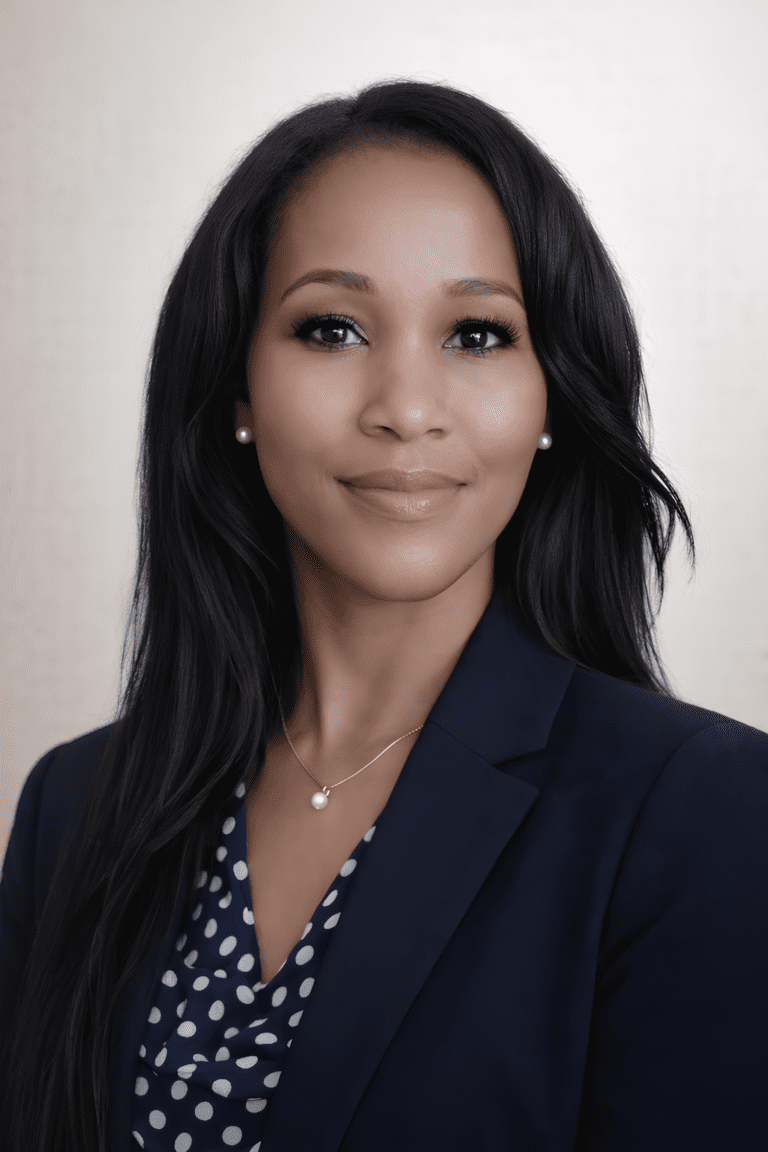
Shadikana Nomvuyo Makaranga
Land. Lineage. Legacy.
Founder & CEO, Tlou Property Group. Property and infrastructure specialist focused on land stewardship and asset-led economic development.



Responses